Decoding the Mystery: Anther vs. Stamen in Pollen-Bearing Plant Parts
The world of botany is rich with intricate details, and understanding plant anatomy can be both fascinating and surprisingly useful – especially when tackling a tricky crossword puzzle. If you've ever stared at a clue like "Pollen-bearing plant part" and found yourself debating between "ANTHER" and "STAMEN," you're not alone. These two terms are frequently encountered in puzzles and often cause confusion. While both are undeniably correct answers for a "Pollen Bearing Plant Part Crossword" clue, they refer to distinct yet interconnected components of a flower's reproductive system.
This article will delve into the precise definitions of anther and stamen, clarify their relationship, and provide practical insights for identifying the correct answer in various contexts, including those challenging crossword grids. By the end, you'll not only be a better botanist but also a more confident crossword solver.
Understanding the "Pollen-Bearing Plant Part Crossword" Clue
Crossword puzzles often test our knowledge of specific terminology, and botanical terms are no exception. The clue "Pollen-bearing plant part" is a classic example that can have multiple valid answers, making it a prime candidate for careful consideration. The key to solving such clues lies in understanding the precise role and structure of each potential answer.
ANTHER: The Direct Pollen Producer
When we talk about the part of a plant that *directly* bears pollen, the
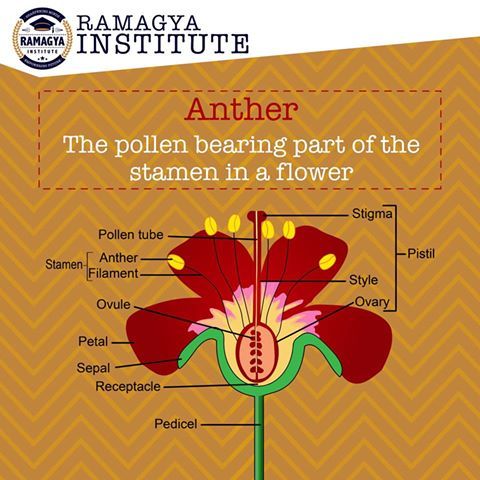
anther is the star of the show. It is the terminal, pollen-producing part of the stamen, typically found at the tip of a slender stalk. Its primary function is to house and release the microscopic pollen grains, which are essential for plant fertilization.
*
Structure: Anthers are usually bilobed, meaning they consist of two halves, and each lobe contains two microsporangia (pollen sacs). These sacs are where the pollen grains develop.
*
Function: The anther is a specialized structure designed for microsporogenesis – the process of pollen formation. Once mature, it dehisces (splits open) to release pollen, often through longitudinal slits or pores.
*
Crossword Appeal: Due to its direct role in pollen production, "ANTHER" is a highly favored answer for "Pollen Bearing Plant Part Crossword" clues. Notably, it is a six-letter word, making it a very strong candidate when the puzzle demands a six-letter solution, as seen in many popular crosswords.
STAMEN: The Male Reproductive Organ (Encompassing the Anther)
While the anther produces the pollen, it doesn't act alone. The
stamen is the entire male reproductive organ of a flower, and it comprises two main parts: the anther and its supporting filament. So, if the anther is the factory, the stamen is the entire factory with its supporting infrastructure.
*
Structure: A stamen consists of:
* The
filament: A slender stalk that supports the anther, positioning it optimally for pollen dispersal.
* The
anther: The pollen-producing tip, as described above.
*
Function: The stamen's overall function is to produce and present pollen for dispersal, facilitating fertilization. Its structure is adapted to release pollen effectively, whether it's carried by wind, water, or animals.
*
Crossword Appeal: Like "ANTHER," "STAMEN" is also a six-letter word and an equally valid answer to "Pollen-bearing plant part." It refers to the *entire* male reproductive unit that collectively bears pollen. The distinction often comes down to the number of letters required or subtle nuances in the clue.
The Anatomy of Pollen Production: Anther's Role in Detail
To truly appreciate the "Pollen Bearing Plant Part Crossword" clue, a deeper dive into the anther's internal mechanisms is beneficial. The anther is a marvel of biological engineering, meticulously designed for the vital task of producing and releasing pollen.
Inside the Anther: Microsporangia and Pollen Grains
Each lobe of an anther typically contains two elongated structures called microsporangia, often referred to as pollen sacs. These sacs are the nurseries for pollen development. Within the microsporangia, specialized cells undergo meiosis to produce microspores, which then mature into pollen grains.
Pollen grains themselves are remarkable structures. Each grain is essentially a microscopic package containing the male gametes (sperm cells) of the plant. They vary immensely in size, shape, and surface ornamentation, often reflecting their mode of dispersal. For example, wind-pollinated plants typically produce light, smooth pollen, while insect-pollinated plants often have larger, stickier, or elaborately sculptured pollen grains to adhere to pollinators.
Filament: The Anther's Support System
While the anther gets all the glory for pollen production, the filament plays a crucial supporting role. This slender stalk holds the anther aloft, positioning it strategically within the flower to maximize the chances of pollen transfer. The length and rigidity of the filament can vary significantly among species, influencing how and where pollen is presented to pollinators or wind currents. Without the filament, the anther wouldn't be able to effectively disperse its precious cargo.
The Stamen: Master of Male Reproduction
Understanding the stamen as the complete male reproductive organ offers a broader perspective on its importance beyond just bearing pollen. It's a key player in the intricate dance of plant reproduction.
The Stamen's Contribution to Plant Life
The stamens, collectively known as the androecium, are fundamental to a flower's ability to reproduce sexually. They are responsible for producing the male gametophytes (pollen), which carry the genetic material necessary for fertilizing the ovules within the pistil (female reproductive organ). This process, known as pollination, is the critical first step in plant reproduction, leading to seed and fruit formation.
The arrangement and characteristics of stamens vary widely across the plant kingdom, reflecting diverse pollination strategies. Some flowers have numerous stamens, like a bottlebrush, while others have just a few. Stamens can be fused together or to other floral parts, or they can be free. Their length relative to the pistil can also indicate whether a flower is adapted for self-pollination or cross-pollination. This incredible diversity highlights the evolutionary adaptations that allow plants to thrive in various environments.
Beyond the Basics: Crossword Strategy and Botanical Insights
Navigating the "Pollen Bearing Plant Part Crossword" clue becomes much easier with a solid understanding of the terms and a few strategic tips. The interplay between botanical knowledge and linguistic puzzle-solving is what makes these clues so engaging.
When to Choose ANTHER or STAMEN in Crosswords
When faced with "Pollen-bearing plant part," here's how to make your choice:
*
Letter Count is King: Both "ANTHER" and "STAMEN" are six letters long. If the crossword grid demands a different letter count, then neither of these will be the answer, and you'll need to look for alternatives (e.g., "POLLEN" if the clue is simply "Plant dust" and it's 6 letters). However, for a 6-letter slot, both are strong contenders.
*
Context is Key: Pay attention to any other words in the clue or surrounding clues that might offer a hint. Is there a descriptor that suggests a *part* of a larger structure, or the *entire* structure?
*
Cross-Referencing: If you've filled in a few letters from crossing words, see which option fits the existing letters. This is often the most straightforward way to differentiate between two equally plausible answers like ANTHER and STAMEN.
*
Common Usage: In general, if a clue asks for a "pollen-bearing part," "ANTHER" is often the more precise answer for the *direct* bearing and production. However, "STAMEN" is also entirely correct as the organ *containing* the pollen-bearing part. Trust the letter count first! For more in-depth strategies, check out our guide on
ANTHER & STAMEN: Solving Pollen Plant Part Crosswords and learn about
Cracking the Pollen-Bearing Plant Part Crossword Clue.
Fascinating Facts About Pollination
Understanding anther and stamen also opens the door to appreciating the broader, amazing world of pollination:
*
Ecological Cornerstone: Pollination is fundamental to most terrestrial ecosystems, underpinning food webs by enabling the reproduction of flowering plants, which form the base of many food chains.
*
Biodiversity Engine: The co-evolution of plants and their pollinators (insects, birds, bats, wind, water) has driven much of the planet's biodiversity.
*
Pollen as a Superfood: Bee pollen, for instance, is rich in vitamins, minerals, proteins, and amino acids, revered by some as a natural health supplement.
*
Allergy Culprit: While vital for plants, wind-dispersed pollen from certain species (like ragweed or grasses) is a common allergen for millions of people worldwide, triggering seasonal hay fever.
*
Forensic Tool: Palynology, the study of pollen and spores, is used in forensic science to determine geographical origins or reconstruct crime scenes, as pollen grains are highly resistant to decay and unique to specific plant species.
Conclusion
The journey from a simple "Pollen Bearing Plant Part Crossword" clue to a comprehensive understanding of anthers and stamens reveals the intricate beauty of plant reproduction. We've learned that the anther is the specific part that directly produces and releases pollen, residing at the tip of the filament, which together form the stamen – the complete male reproductive organ of a flower. Both are crucial for plant reproduction and both, quite handily, fit a six-letter crossword slot for that common clue. Armed with this knowledge, you're now better equipped not only to conquer those botanical crossword puzzles but also to appreciate the hidden marvels within every flowering plant. The next time you see a flower, take a moment to marvel at the tiny, yet powerful, pollen-bearing anthers and their supporting stamens, orchestrating life itself.